


Season, off-season, where people eat and what a Saturday looks like between Delray and Lighthouse Point. The part of relocation that no listing sheet covers.
Two seasons, two personalities
From November through April the population swells, restaurant reservations tighten, traffic on Federal Highway thickens and the beach parking situation becomes a skill. From May through October the same towns exhale — you walk into places, the water is warm, and the afternoon storms arrive on schedule and leave just as quickly.
Buyers who visit only in February are seeing one half of the year. Buyers who visit only in August are seeing the other. Both are real.
The towns, by rhythm
Delray Beach. The most walkable downtown on this stretch. Atlantic Avenue carries a genuine evening culture, and residents in the surrounding neighborhoods use it constantly. Best fit for people who want to leave the car at home.
Boca Raton. More polished and more dispersed. Excellent dining and retail concentrated at Mizner Park and Town Center, strong beach parks, and a residential structure built around clubs and gated communities rather than a main street.
Boynton Beach. Quieter and better value, with the marina district and waterfront access improving steadily. A practical choice for buyers who want the coast without Delray or Boca pricing.
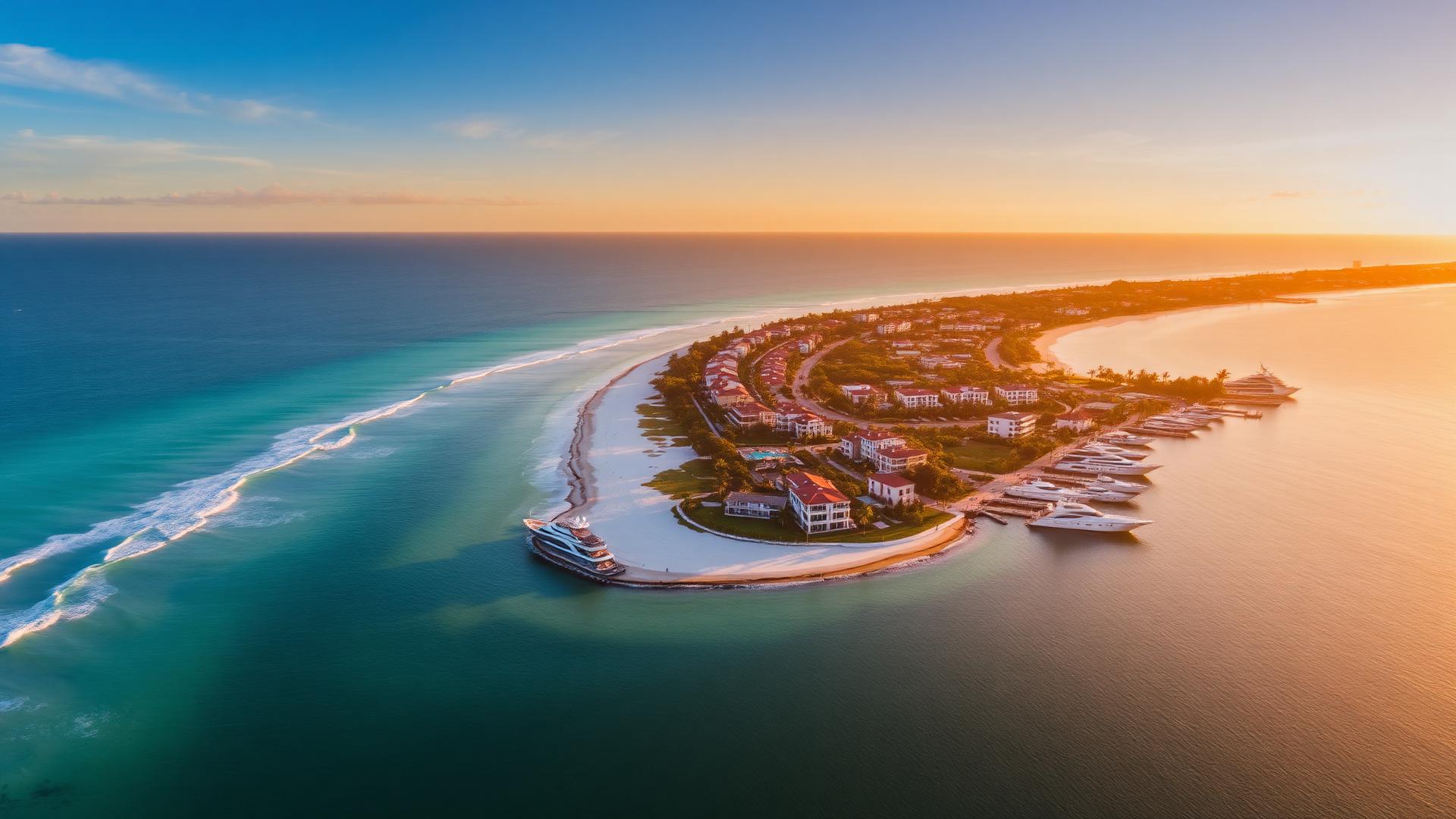
Lighthouse Point and coastal Broward. Boating culture first. Life is organized around the water and the inlet, and the dining scene skews toward waterfront rather than downtown.
Parkland and Coral Springs. Family rhythm — sports fields, school calendars, larger lots and a shorter evening. The trade is distance from the beach and from walkable nightlife.
Eating your way to a decision
Food is the honest signal. A neighborhood with a good bakery, a reliable Italian room, a strong sushi counter and a bar where people know each other is a neighborhood with a life. One with only chain restaurants at a highway interchange is a place people sleep.
Spend a weekend eating where locals eat rather than where visitors eat. For a genuinely local view of the Palm Beach County and Treasure Coast dining scene, Flavor South Florida is a good independent guide, and it will teach you more about a town in an evening than a market report will.
What a good Saturday looks like
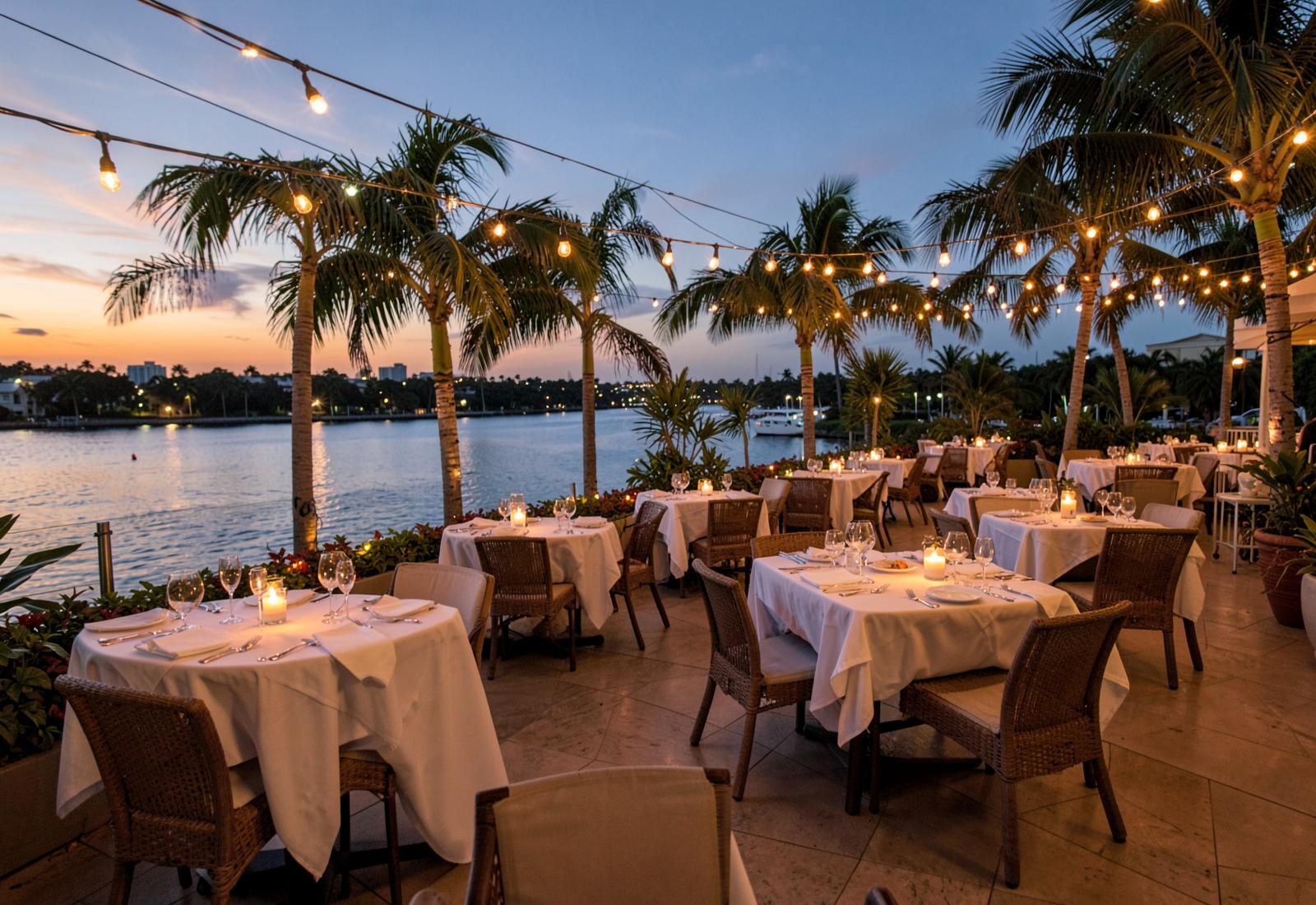
Morning on the water or at the beach before the heat, breakfast somewhere with outdoor seating, errands before noon. Afternoons are for the pool, the club, or air conditioning and a book while a storm passes. Evenings are long and unhurried — dinner starts later than newcomers expect, and outdoor tables stay full into the night for most of the year.
If your ideal version of that involves a boat leaving your own dock, you should be looking at deepwater, and that decision narrows your search dramatically. Our note on deepwater frontage explains what that access costs and why.
Practical relocation notes
- Hurricane season runs June through November. Impact glass, a generator and a plan are normal here, not alarmist.
- Insurance is a meaningful line item. Price it during diligence, not after.
- Traffic follows the season and the school calendar. Drive your commute before you commit.
- The east-west difference matters. A few miles inland changes breeze, price and character noticeably.
Choosing where to land
The best fit usually comes down to one honest question: do you want to walk to dinner, dock a boat, or send kids to a great school on a big lot? Those three answers point to different towns. Our neighborhoods pages break each down, and if you would rather just talk it through, reach out — we live here, and this part of the conversation is the enjoyable one.
Written by DZ Premier Group — David Rouche and Zachary Lee, ONE Sotheby’s International Realty. Questions about your own situation? Start a conversation.
- lifestyle
- relocation
- neighborhoods