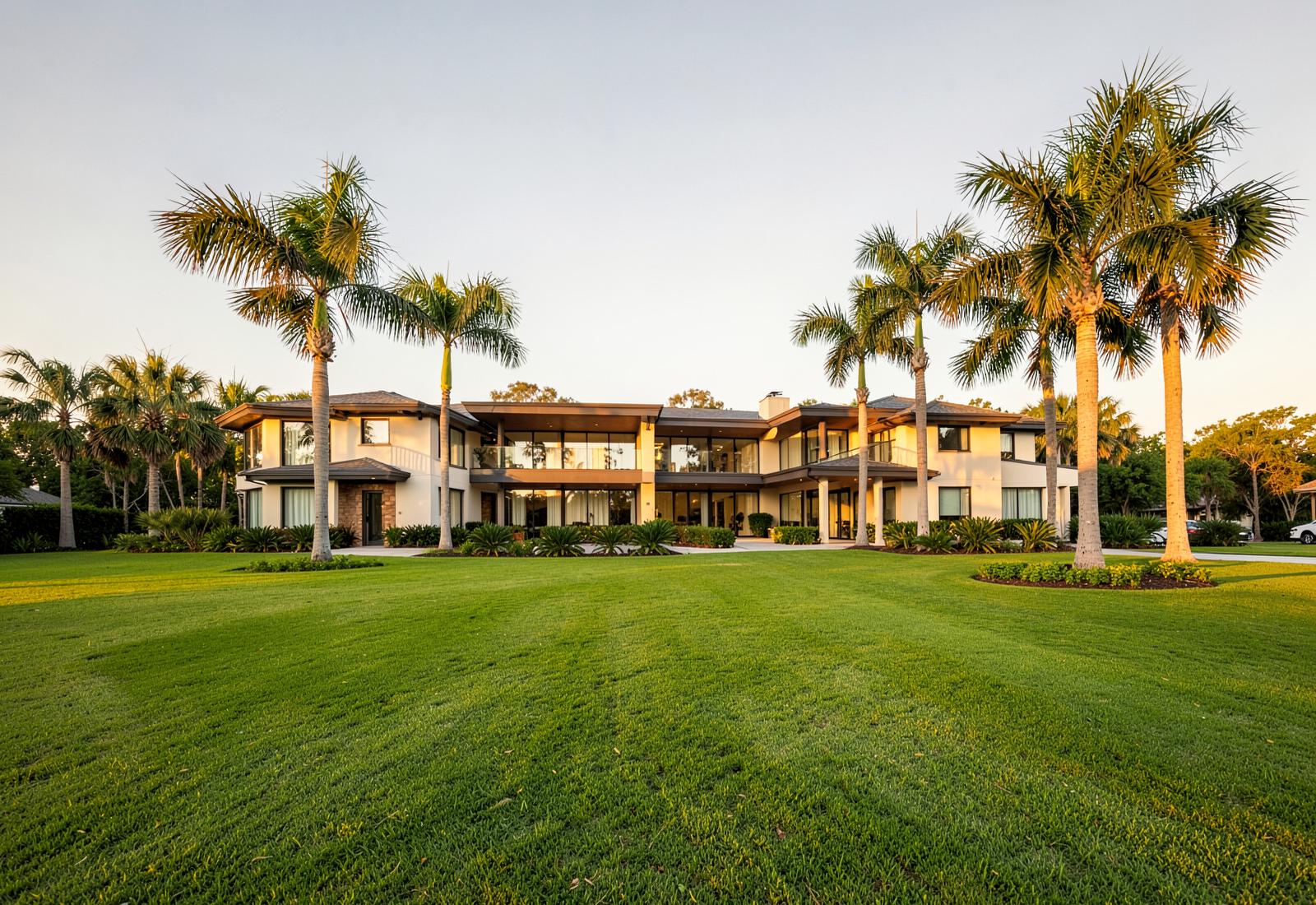



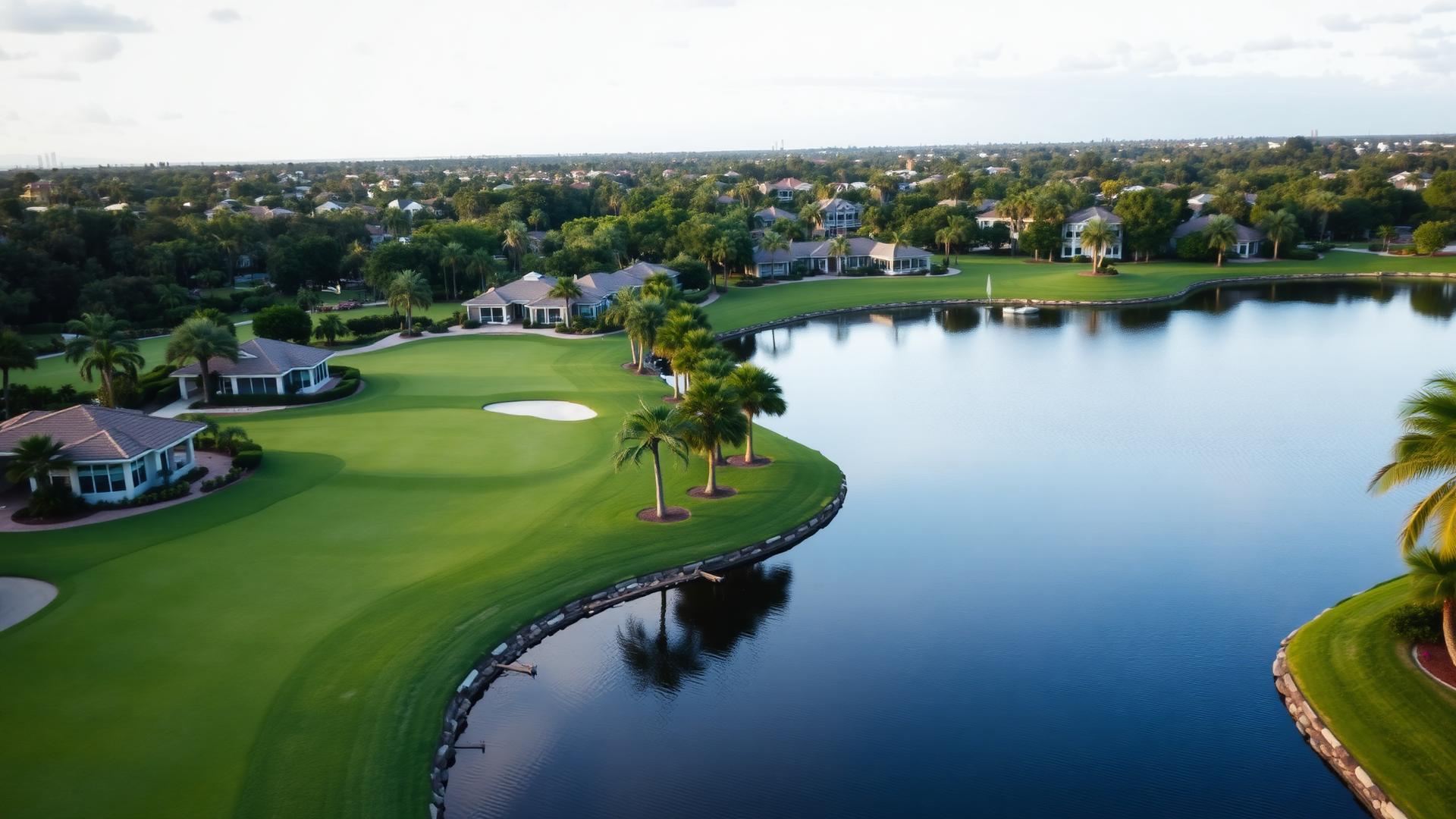
In a club community, the house is only part of what you are buying. The membership category, the equity structure and the assessment history often matter more to your cost of ownership than the kitchen does.
The part most buyers underestimate
South Florida club communities are among the most desirable addresses on the coast, and for good reason: the golf, the tennis and racquet programs, the dining, and a social structure that makes relocation feel survivable. What surprises buyers is that the club is a separate institution with its own balance sheet, its own governance, and its own opinion about who joins and when.
You can close on a beautiful house in Boca Raton or west Delray Beach and still be a year from the membership category you assumed came with it.
Equity versus non-equity
In an equity club, members collectively own the club. Initiation is partly a capital contribution and is often partially refundable when you resell, subject to the club's redemption rules and the waiting list ahead of you. In a non-equity club, initiation is generally a fee for access and does not come back.
Neither is better. They are different financial products. What matters is knowing which one you are buying and what the refund mechanics actually say.
Mandatory, optional and bundled
Some communities require membership as a condition of ownership. Some make it optional. Some bundle a social membership into the HOA and treat golf as a separate upgrade with its own list. The right question is not "is there a club?" — it is "what am I obligated to join, what am I permitted to join, and how long is the line for the category I actually want?"
The costs that do not appear in the listing
Build the annual number honestly before you write an offer:
- Annual dues by category, and how often they have moved in the last five years
- Food and beverage minimums, billed quarterly or annually
- Cart, bag, locker, racquet and fitness fees
- Capital assessments, past and announced — clubhouse renovations and course rebuilds are funded by members
- HOA dues, which are separate from club dues
- Transfer or reinstatement fees at closing
Assessments are where the real variance sits. A club midway through a major capital plan is a different purchase than the same club two years after it finishes.
What to verify during inspection
Request the club's current membership plan and rules, the fee schedule, the audited financials if members receive them, minutes or notices covering announced capital work, and written confirmation of your position on any waitlist. Ask directly whether membership approval is conditioned on anything beyond the purchase.
Then read the HOA documents as a separate exercise. Rental restrictions, guest policy, renovation approval and pet rules live there, not in the club plan.
How to decide
Match the club to how you will actually live. A serious golfer buying into a strong racquet club with a long golf waitlist has bought a lovely house and a frustration. A family that will use the pool, the dining and the youth programs may find a social category is all they need — at a fraction of the cost.
We walk clients through this before they fall for a house, because the reverse order is expensive. If you are comparing communities, the buyers guide covers the broader process, and our neighborhoods pages outline how each pocket lives day to day.
Written by DZ Premier Group — David Rouche and Zachary Lee, ONE Sotheby’s International Realty. Questions about your own situation? Start a conversation.
- buying
- clubs
- boca raton
- delray beach